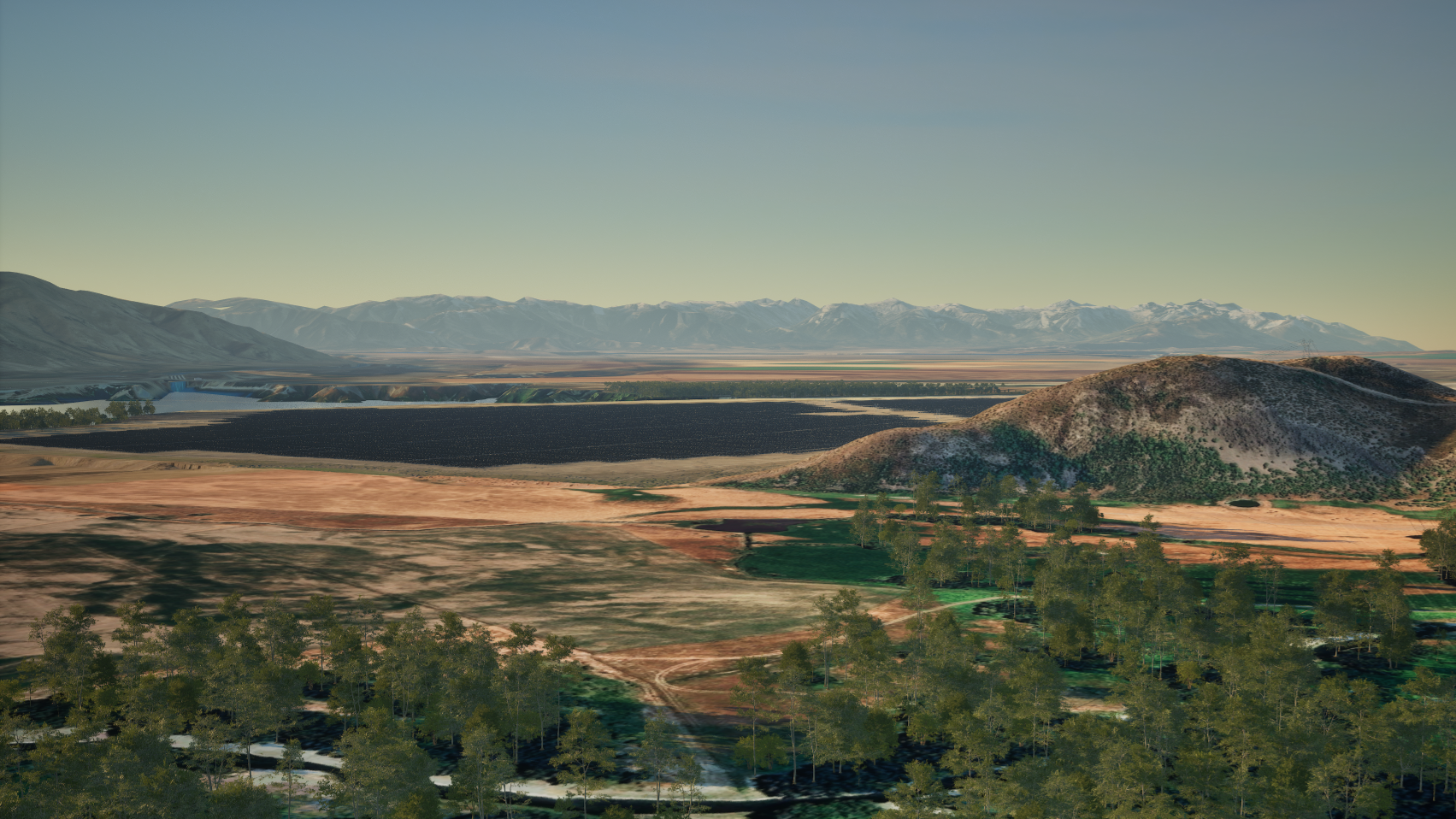
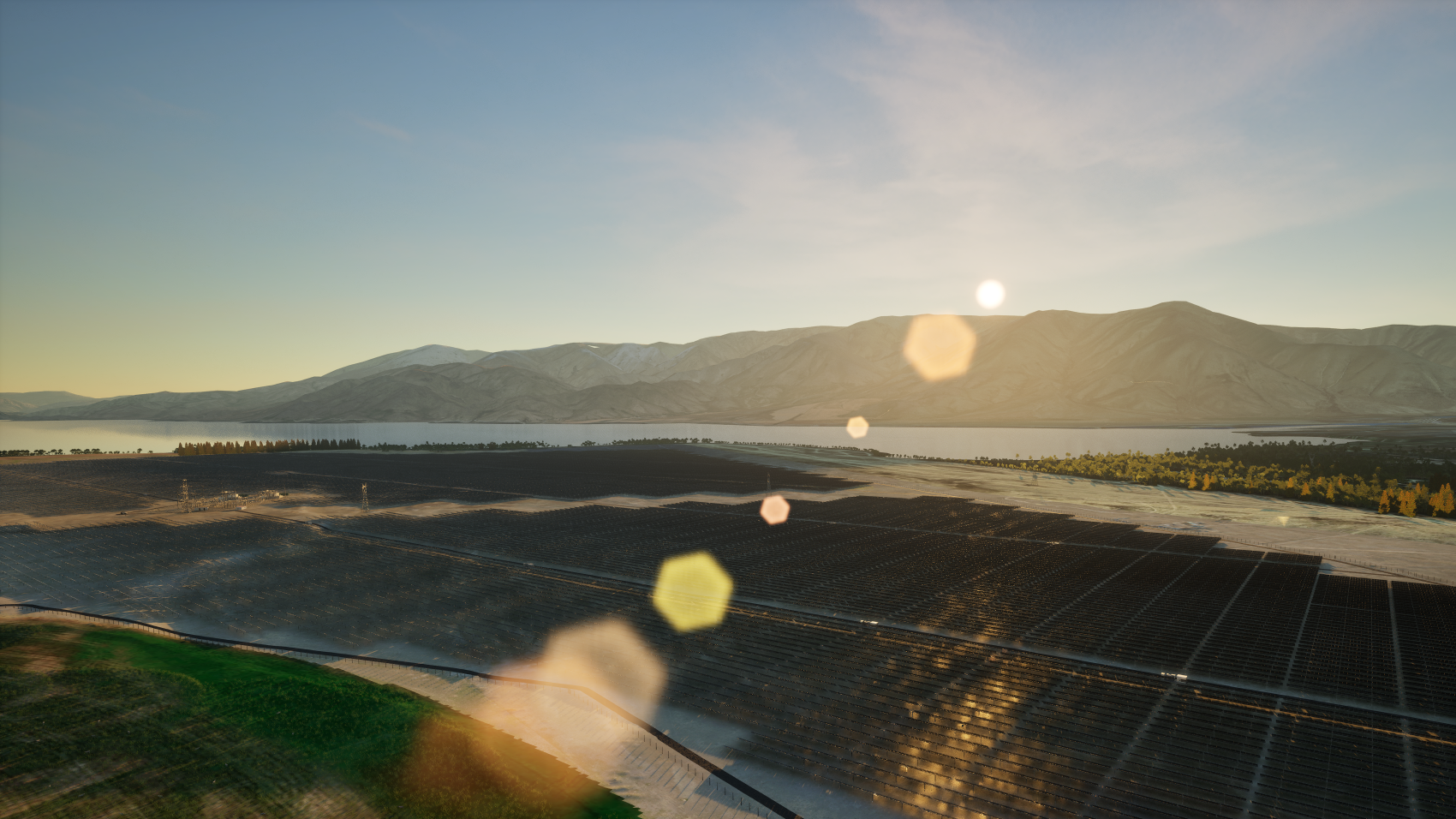
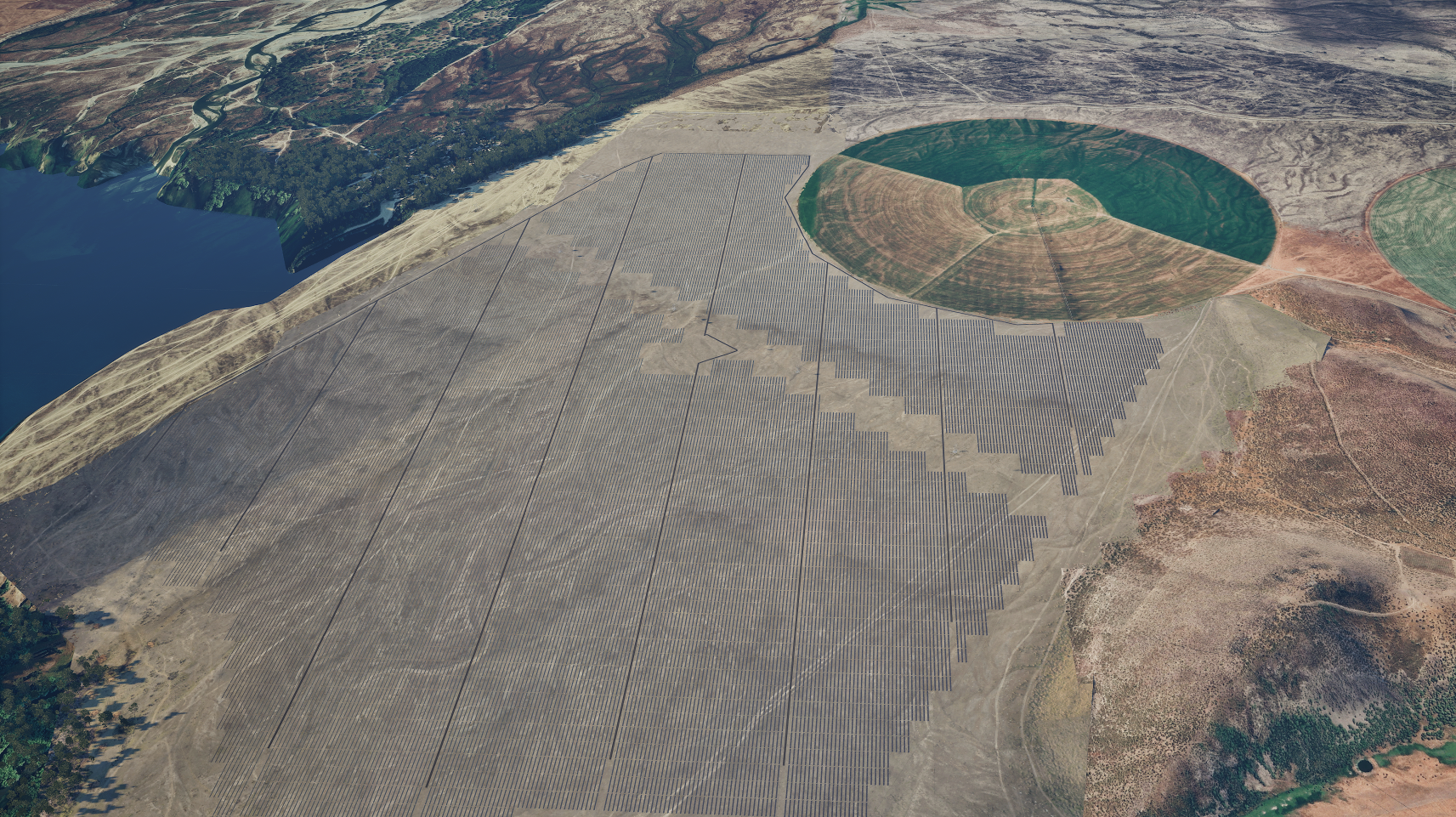
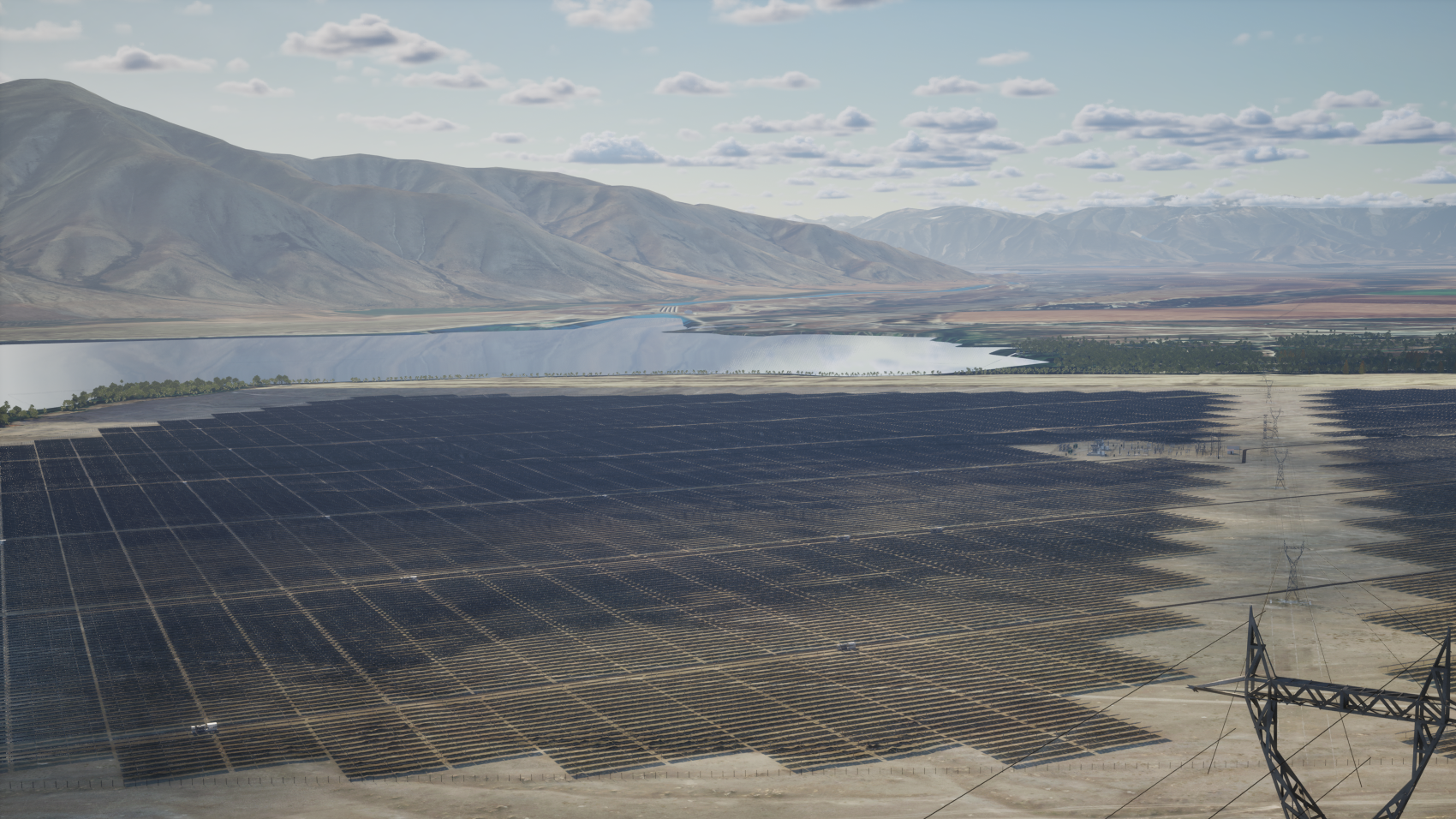
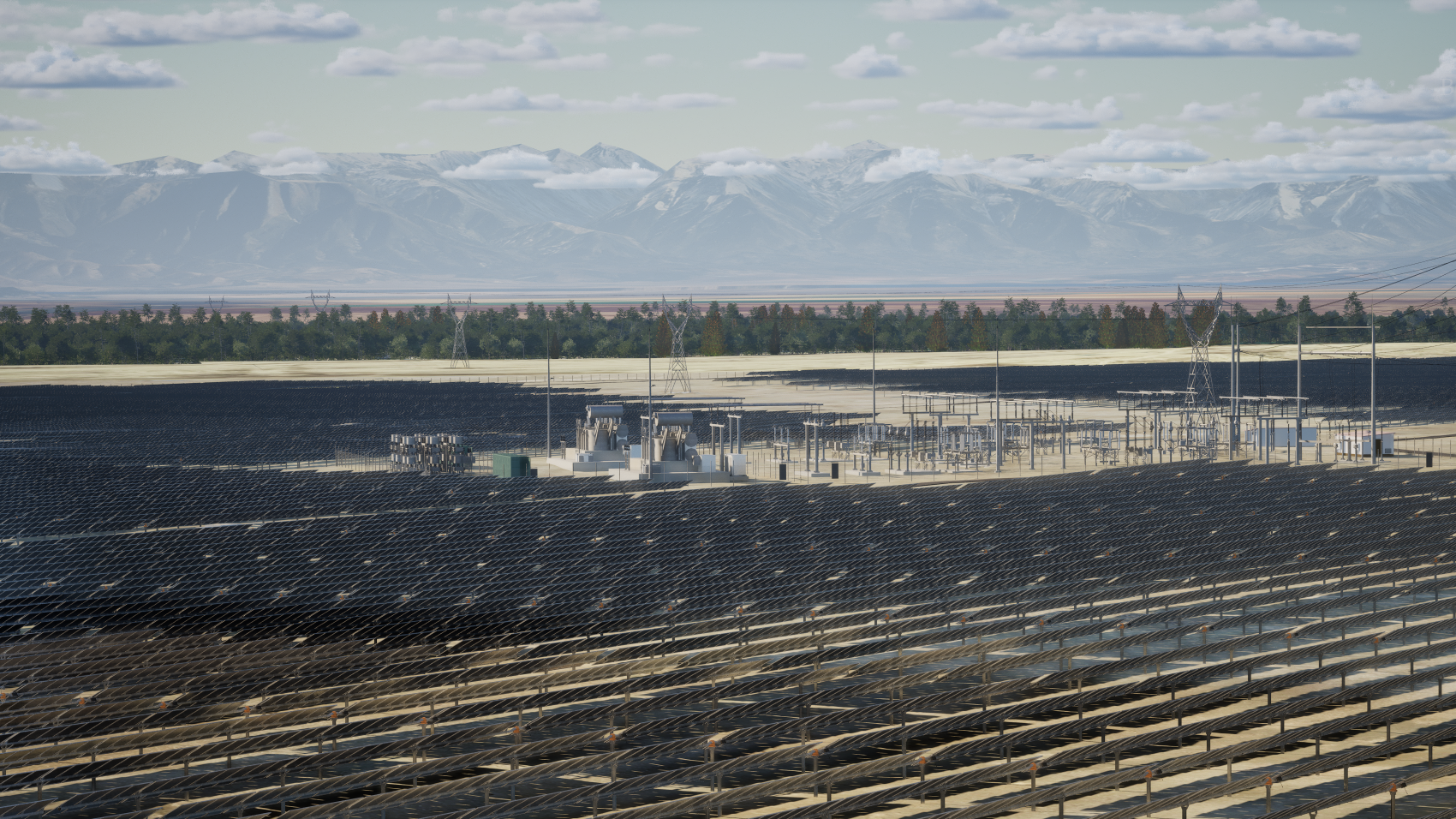
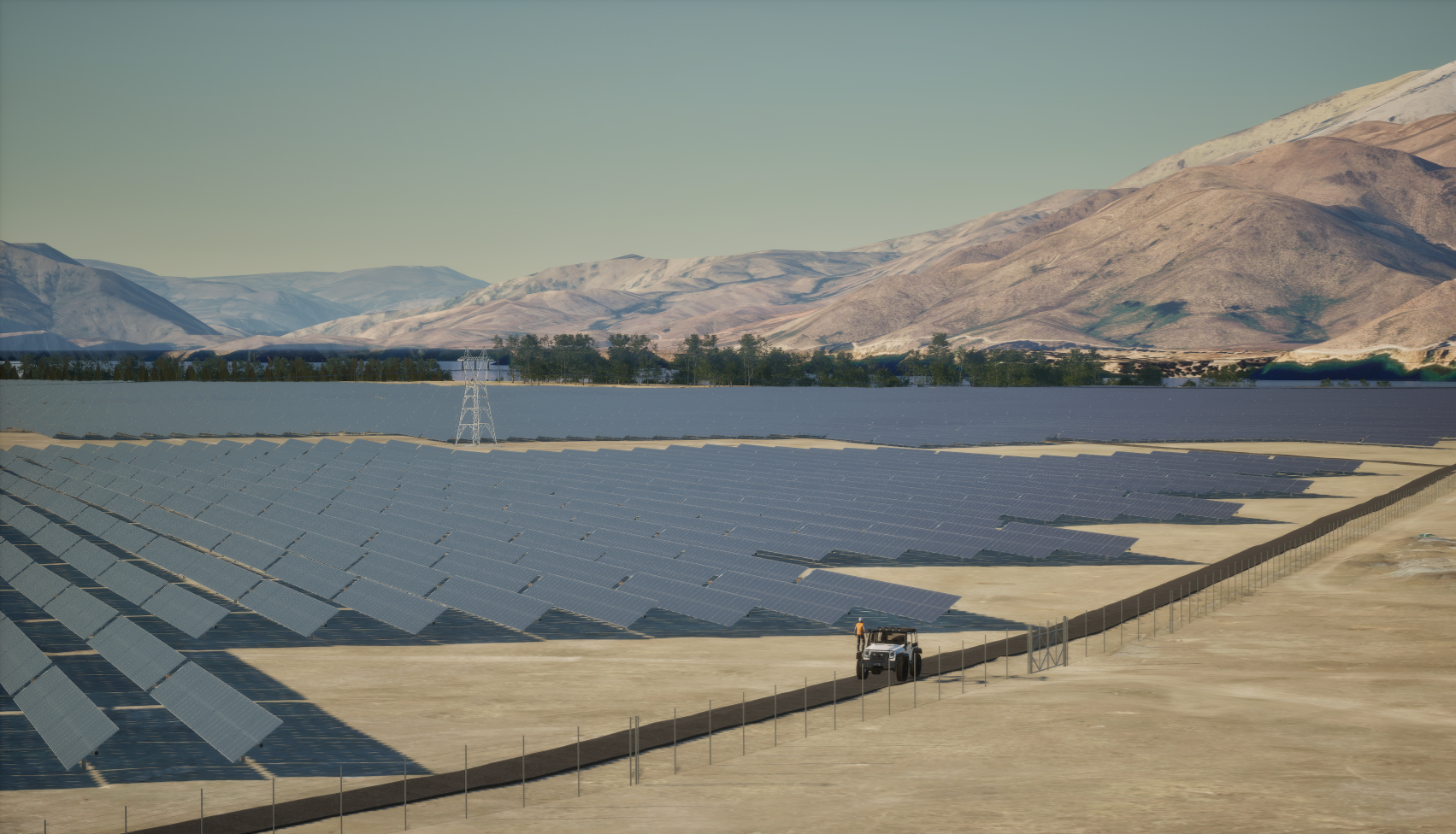
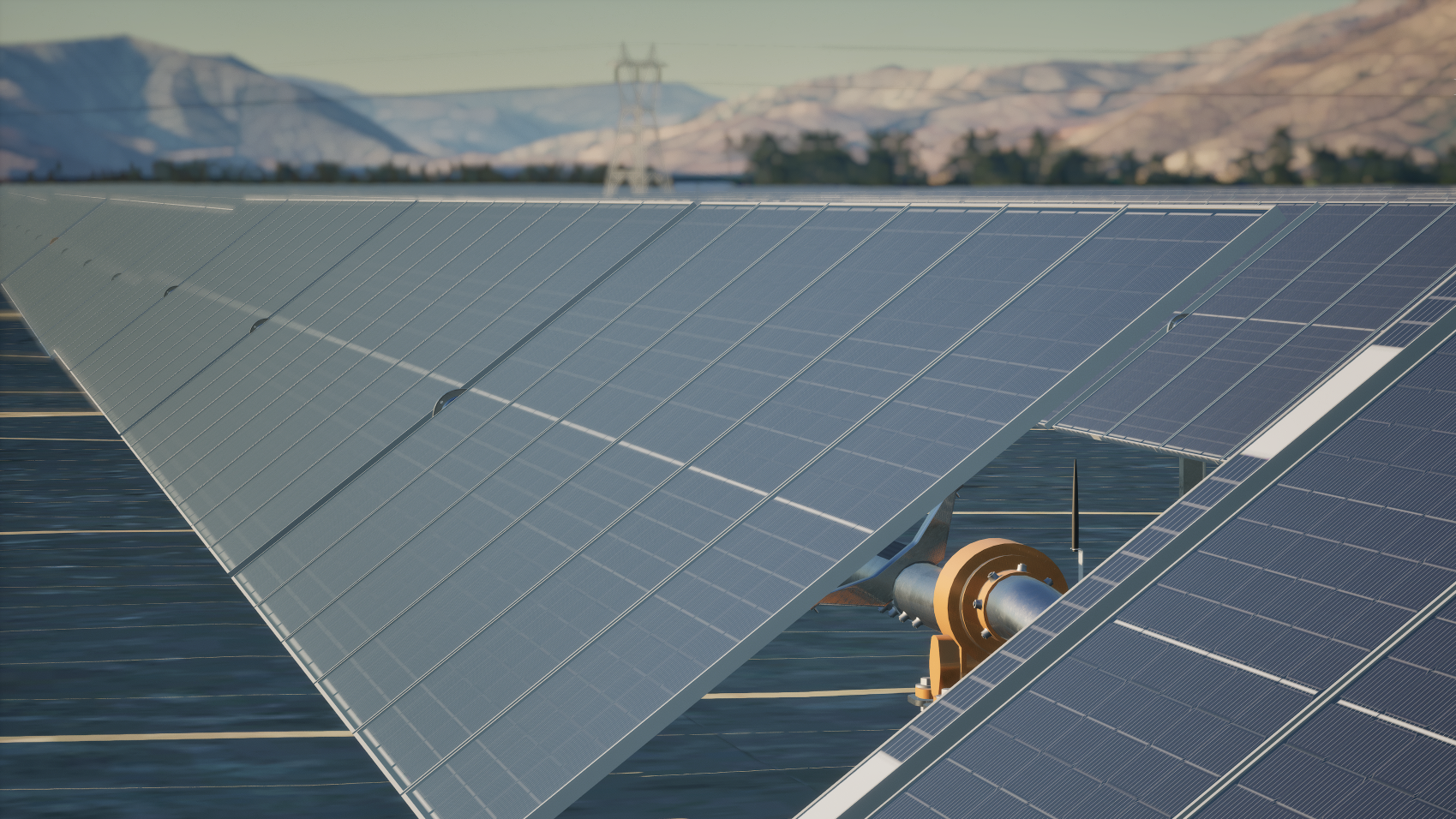
Haldon Station Solar Farm - Render 1 Haldon Station Solar Farm - Render 1
Solar Farms / Mackenzie

Haldon Station Solar Farm

Haldon Station

Mackenzie, South Canterbury

Lodestone Energy is partnering with Haldon Station to develop 220 MWp solar farm within the solar-rich Mackenzie District.

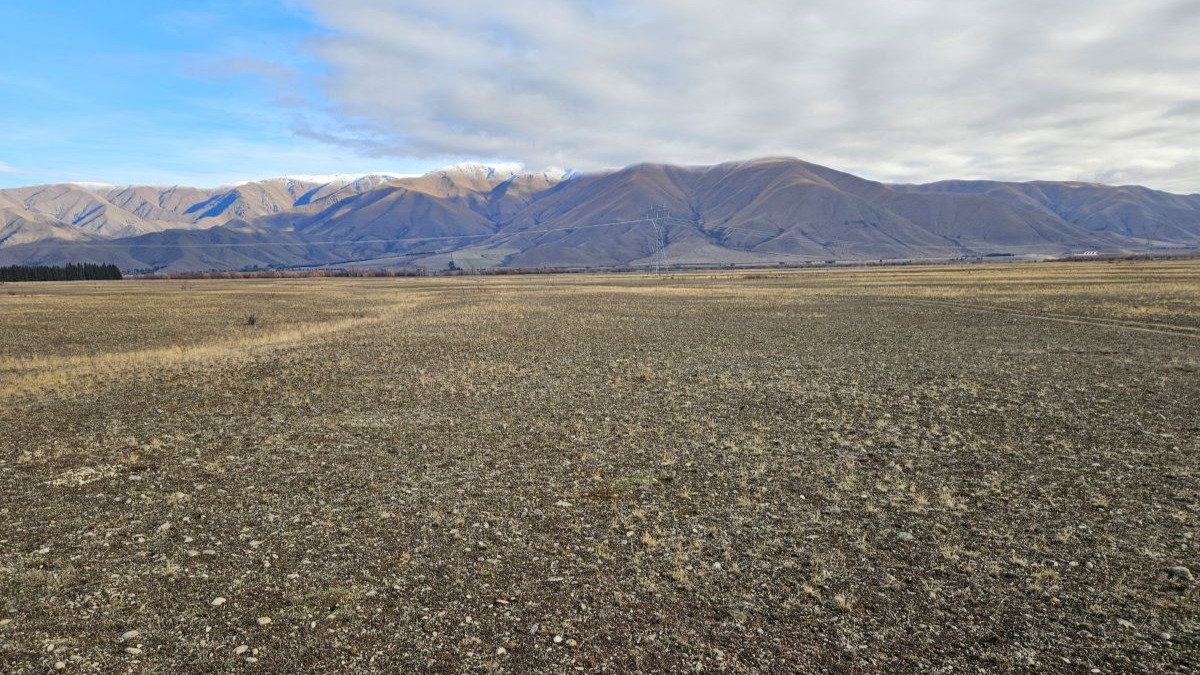
The 320-hectare site (at just 1.5% of the station’s 22,000-hectare property) is dry, unproductive land severely impacted by wind erosion and pests. In its favour, the location offers an exceptional solar resource, close proximity to the national grid, and a low visual impact within the area due to the natural land formations surrounding it.

The flat terrain will require minimal earthworks, and once operational, the farm will produce no emissions, generate little noise, and require minimal water, while delivering decades of clean energy. Enough to power the equivalent of over 50,000 homes per year.

Unlike Lodestone’s agrivoltaics farms, which are designed for dual-use farming, this farm will not be used for traditional farming activities. Instead, in partnership with the station owners, the site will be rabbit-proof fenced, destocked, and pest-controlled to encourage ecological restoration under the shade and shelter of the solar panels.

Status: This project has undergone Lodestone’s rigorous pre-development evaluations and environmental assessments, alongside consultations with various stakeholders. In September 2025, the project was lodged under the Fast-track Approvals Act 2024 — a process designed to streamline the consenting of nationally significant projects.

Generating Under construction Planning string(38) "https://lodestoneenergy.co.nz/kaitaia/" Kohirā Dargaville string(40) "https://lodestoneenergy.co.nz/edgecumbe/" Rangitaiki string(39) "https://lodestoneenergy.co.nz/waiotahe/" Te Herenga o Te Rā string(51) "https://lodestoneenergy.co.nz/whitianga-solar-farm/" Pāmu Rā ki Whitianga Ongaonga string(56) "https://lodestoneenergy.co.nz/haldon-station-solar-farm/" Haldon Station string(91) "https://lodestoneenergy.co.nz/lodestone-energy-gets-the-green-light-for-south-island-sites/" Clandeboye string(91) "https://lodestoneenergy.co.nz/lodestone-energy-gets-the-green-light-for-south-island-sites/" Mount Somers, Dunsandel

Key facts about Haldon Station Solar Farm

To produce
370 GWh energy annually

Able to power 50,000+ homes per year

Will support preservation of hydro lake levels

Encourages ecological restoration

Questions and Answers

Solar farms have been widely adopted internationally; however, they remain a relatively new concept here in New Zealand.

This Q&A addresses some questions relating to the Haldon Station project. More general solar FAQs can be found on Our Solar page.

The Mackenzie District is a relatively large area with low population density and boasts some of the best solar resources (irradiance levels) in the country. The site is in close proximity to transmission infrastructure, allowing efficient connectivity to the national grid.

We have worked hard to identify a low-impact, visually discreet site that is ideally suited for a solar farm. The low-profile solar farm will be well screened by surrounding landforms and the natural landscape depression.

The Mackenzie District spans an area of 733,900 hectares (southcanterbury.org.nz). The Haldon Station Solar Farm will represent less than 0.04% of this.

The site has been carefully chosen for its discreet positioning and natural screening by surrounding landforms. Most people visiting the region will be unaware of the farm.

According to the landowners, the site is some of the most unproductive land within the station. The land is dry, wind-swept, browsed by pests, and is considered unproductive. A farm that generates a significant supply of clean, renewable electricity while supporting the revegetation of flora is considered the best land use for the site.

Through this project, Haldon Station will diversify its income stream and offset its operating emissions. This will improve the Stations’ overall sustainable performance, both economically and environmentally.

This project aims to support ecological restoration through the eradication of pests and improvement of soil quality.

An ecological survey has found that less than 0.1% of the low-density vegetation on the site is indigenous, with introduced species, such as the matweed Hieracium pilosella, forming a significant portion of the plant life present on the site.

No native birds have been observed nesting on the site, and pitfall trapping during an on-site survey did not capture any lizards, geckos, or skinks, nor did it record their markings.

By establishing a rabbit-proof fenced zone around the solar farm, we anticipate that the site will begin the slow process of reverting to its original state. The modules will be elevated to enable foliage to grow and provide a sheltered environment for fauna to re-establish. International studies  have shown that increased shading can improve outcomes for plants/soil quality[1].

[1] Chong Seok ChoiJordan MacknickYudi LiDellena BloomJames McCallSujith RaviEnvironmental Co-Benefits of Maintaining Native Vegetation With Solar Photovoltaic Infrastructure

The dark surface of our bi-facial solar panels are designed to maximise the absorption of sunlight—not reflect it. We’ve already built three solar farms in the North Island, all with larger panel arrays and in closer proximity to neighbouring properties, and to date we’ve received no complaints about glint or glare issues. At Haldon Station, the site is remote, well-screened by landforms, and far from main public roads, so the risk of visual impact is even lower.

New Zealand urgently requires an increased supply of renewable energy to support its transition to a low-carbon economy.  The Fast-Track Approvals Act was designed to prioritise, streamline and accelerate New Zealand’s slow and fragmented consenting process for projects of national significance, such as this one.

For this project, we have gone above the typical requirements for a conventional RMA consenting process. As part of our long-term commitment to the region, we want to build positive relationships with the community, just as we have in the North Island.

Video: Working with our Community

Yes. To date, we’ve met with the Mackenzie electorate MP, engaged with the three local mana whenua (Te Rūnanga o Arowhenua, Te Rūnanga o Waihao, and Te Rūnanga o Moeraki), regional environmental groups and have been open about our plans since announcing the project in 2024. The station owner and manager are long-standing locals with strong ties to the region and community.

Our lines of communication remain open, and we will continue to constructively engage with those invested in the project outcomes.

Recent News

Investing in the future

To get involved in clean renewable energy